Mental Health
Breathwork: The "Exercise" You Should Be Doing
Breathwork isn’t about “just calming down”—it’s a direct way to regulate your nervous system. Here’s how a few minutes of intentional breathing can reduce stress, improve sleep, and restore steadiness after midlife.
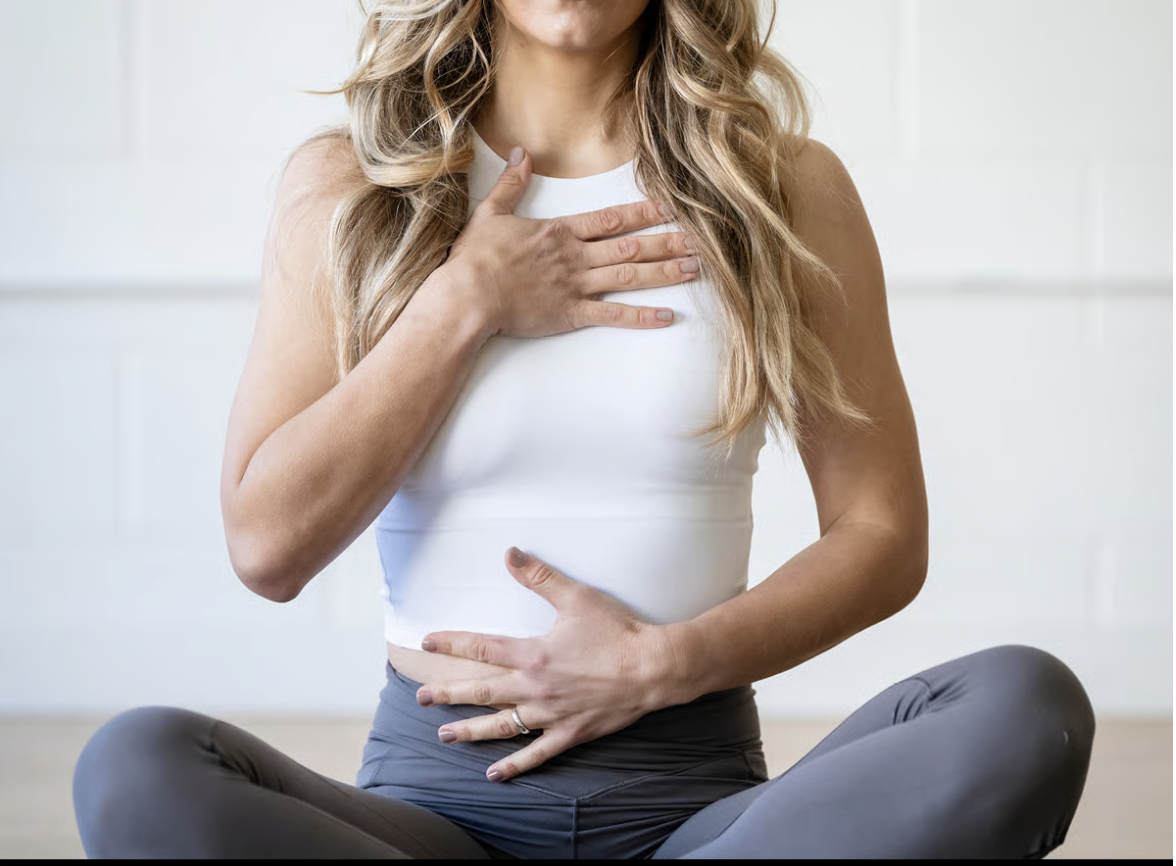
Being told to "just take a deep breath" can feel a bit patronizing, can’t it? But intentional breathing is a direct remote control to your nervous system. I’m making breathwork a major focus of mine in 2026, and I’d love for you to join me.
Between caregiving, work, and unpredictable hormonal shifts, we often get stuck in the sympathetic drive: that “always-on” state of high alert. Our goal is to shift towards a parasympathetic state. This is the branch of your nervous system that focuses on rest, digestion, and sleep.
Breathwork helps us make that shift. Here’s how:
The Physiology in Plain English
Think of your heart, lungs, and brain as being in constant conversation through the vagus nerve. When you breathe slowly and extend your exhale, you’re sending a “calm down” message to that nerve. This signal tells your heart to relax and reassures your brain that your environment is safe.
- Zoom In: You can actually measure this through Heart Rate Variability (HRV), which tracks how regulated your nervous system is.
Breathing at about six breaths per minute (roughly a 4-second inhale and a 6-second exhale) is the “sweet spot.” This rhythm, called Resonance Frequency Breathing, can increase cardiac vagal activity and improve HRV.
How Breathwork Combats Stress and Anxiety
When you’re anxious, your breathing becomes shallow and fast, triggering your sympathetic system. Slow breathing helps disrupt that pattern and get you back to a calm state.
- Science Says: A Stanford study found that just five minutes of daily breathwork significantly reduced anxiety, improved mood, and was an effective stress management exercise.
The Beginner’s Guide to Breathwork
Start here:
- Sit comfortably with your feet on the floor
- Inhale gently through your nose for 4 seconds
- Exhale slowly through your mouth for 6 seconds
- Repeat for 3–5 minutes
That’s about 6 breaths per minute. If you prefer to go by feel, think: longer exhale than inhale. It should feel soft and easy (if you’re dizzy, that’s not good!).
“When should I do this?” Whenever works best for you! I like to do this first thing in the morning while watching the sunrise, but you can do it before bed, meals (which can improve digestion), after a stressful day, or even in the middle of the night if you wake up wired.
Are There Any Cons to Breathwork?
Most people feel calmer after breathwork, but it’s not for everyone. If you have panic disorder, fixating on your breath can feel uncomfortable. Start with just 30 seconds and work up gradually.
And if you breathe too forcefully, you may feel lightheaded. It's not dangerous, but your body is telling you to breathe more gently.
Some people find that movement-based stress relief works better for them, and that's completely fine.
How To Stick To Breathwork
You don’t need a meditation cushion or a timer. You need a cue. Many women find it easiest to link this to something they already do: brushing teeth, getting into bed, waiting for coffee to brew. For me, it’s right after waking up.
Three to five minutes. That’s it.
The North Star Takeaway
You don’t have to outthink stress. You can outbreathe it.
Slow breathing is one of the rare tools that is simple, evidence-based, and under your control. For women over 50, who often feel pulled in a dozen directions, it’s a way to reclaim a sense of internal steadiness without adding another rule.
If you have time to spiral, you have time to exhale.