Nutrition Advice
GLP-I's and Inflammation: A New Benefit?
GLP-1 medications are best known for treating diabetes and supporting weight loss, but emerging research suggests they may also help reduce chronic inflammation. While the early evidence is promising, scientists are still working to understand exactly how these medications affect the immune system and what role they may play beyond their currently approved uses.
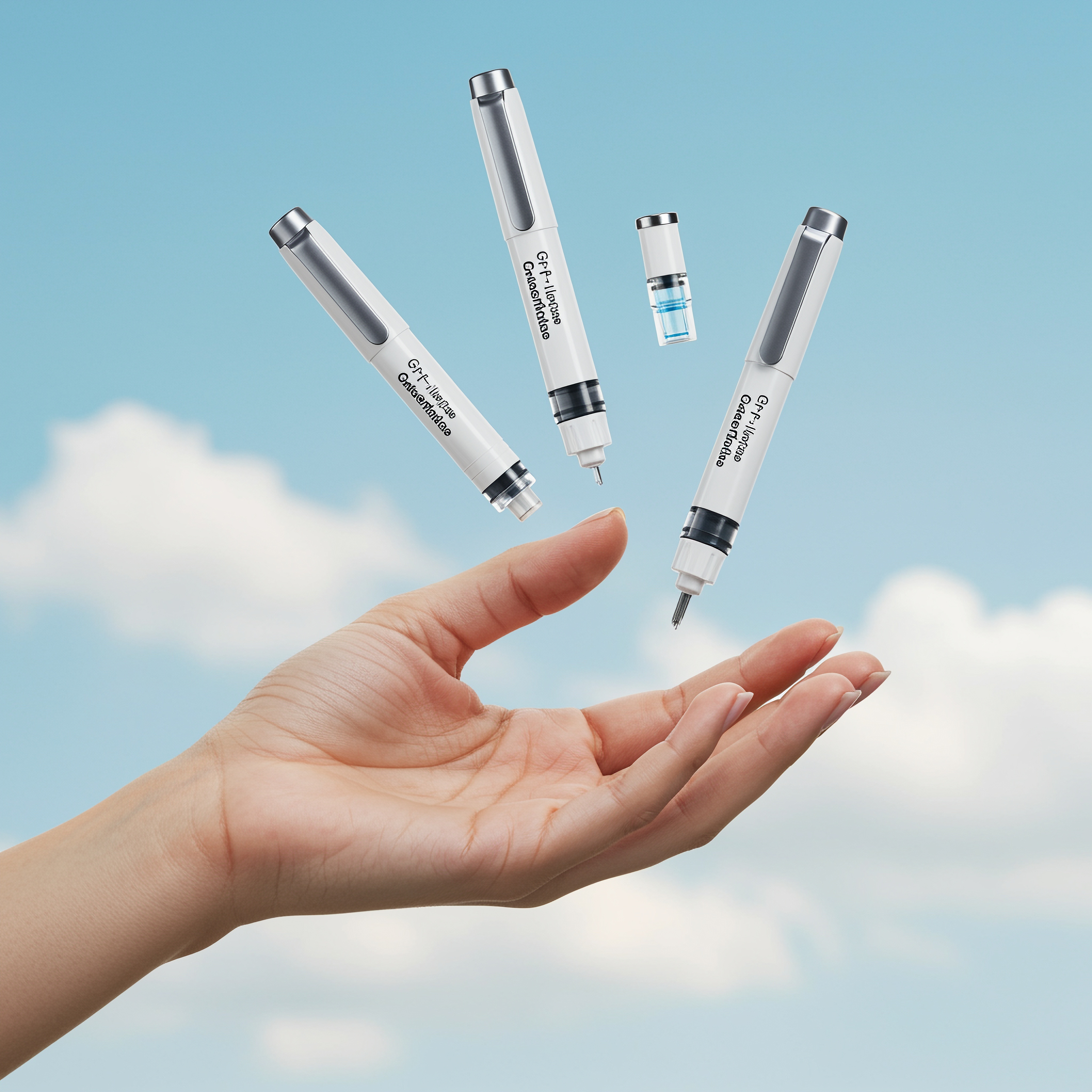
GLP-1s and Inflammation: What We Know and What We Think We Know
Here is a sentence I did not expect to write five years ago: the same medication your endocrinologist prescribes for diabetes—and your insurance company increasingly balks at covering for weight loss—is also quietly turning down the volume on the inflammation running through your body. And for women over 50, whose estrogen decline triggers what researchers at Harvard have called an "inflammatory event," that distinction matters more than we may think.
Let's separate what's solid from what's still being researched.
What we know. GLP-1 receptor agonists, the drug class that includes semaglutide and tirzepatide, were built to manage blood sugar and, later, weight. But a growing body of research shows they do something else at the same time: they lower inflammatory markers like C-reactive protein, interleukin-6, and TNF-alpha, the same molecules your rheumatologist or cardiologist watches when assessing your risk for heart disease, joint pain, or metabolic syndrome. A 2025 review in the Journal of Clinical Investigation found that some of these anti-inflammatory effects occur within hours of a single dose, far too fast to be explained by weight loss alone.
Other research estimates that only 20 to 60 percent of the reduction in C-reactive protein seen with these drugs can be attributed to weight or glucose changes. The rest appears to come from something else, a direct effect on immune cells themselves.
What we think we know. The mechanism is still being mapped. Researchers believe GLP-1 receptors sit on macrophages and other immune cells, and that activating them dampens the inflammatory cascade directly, independent of any change on the scale. Animal studies support this. Human data is accumulating but not yet definitive, and head-to-head trials designed specifically to isolate inflammation as the outcome, rather than weight or blood sugar, are still in progress. So when I say "may help with inflammation," I mean exactly that. Promising, mechanistically plausible, not yet proven as a standalone indication.
Now, the part nobody wants to say out loud: this won't be covered by your insurance at this point or in the near future. Insurers pay for GLP-1 medications when there's an FDA-approved indication, like type 2 diabetes or obesity, sitting behind the prescription. "I want it for my inflammation, independent of my weight" is not currently an indication anywhere, and that means you're looking at a cash-pay conversation, often running several hundred dollars a month.
You should also expect some/many doctors to say no. Not because they're being difficult, but because prescribing a medication for inflammation alone, off-label, with incomplete human trial data, is a real clinical dilemma / question for a physician, and a fair one. If your doctor isn't ready to write that prescription based on where the evidence currently stands, that's not gatekeeping. That's understandable caution, especially from doctors who may not be current with the latest literature. Ideally, however, your doctor will be current with the latest science AND be able to individualize the risk/benefit decision for and with you.
So where does that leave you if you're 58, dealing with joint stiffness, brain fog, or labs that keep creeping in the wrong direction, and a GLP-1 isn't a realistic option at this time? You are not without tools.
The Mediterranean pattern, heavy on omega-3s from fatty fish, olive oil, and fiber, is one of the most consistently evidence-backed anti-inflammatory approaches we have, and it doesn't require a prior authorization. Strength training does real, measurable work too, lowering inflammatory markers independent of whether the scale moves at all.
Sleep matters more than most women over 50 are told. Poor sleep alone elevates inflammatory cytokines, so if you're waking at 3 a.m. with your mind racing, that's not just exhaustion, it's a measurable physiological cost.
And if hot flashes, joint pain, or brain fog are affecting your quality of life, it's worth having a direct, unhedged conversation with your doctor about menopause hormone therapy. Estrogen has well-established anti-inflammatory effects, and those benefits decline as our hormone levels do.
The honest version is this: GLP-1s may become an important tool against chronic inflammation.The early signals are encouraging, but "may" is doing a lot of work in that sentence. Until the science catches up, the rest of your anti-inflammatory toolkit still matters.