Healthy Living
How to Really Tell If You’re Dehydrated and How to Prevent It.
Feeling thirsty isn't the best way to know when you need water—especially after 50. As we age, our thirst response becomes less reliable, making dehydration easier to miss. Learn the signs that matter, when electrolytes are actually helpful, and simple habits to stay properly hydrated every day.
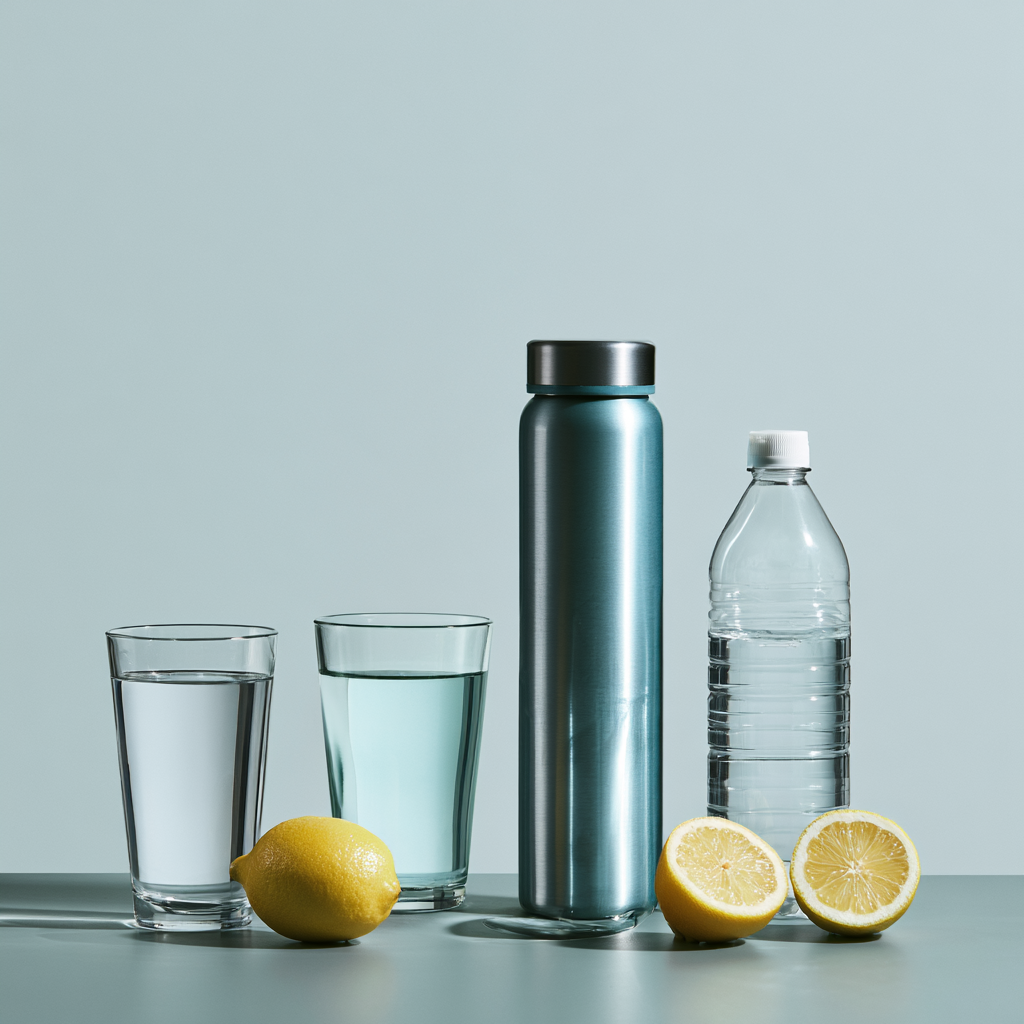
Thirst is a terrible early warning system, and that's especially true after 50. By the time you actually feel thirsty, you're often already mildly dehydrated, and the physiological cue that's supposed to warn you gets blunted with age. Your kidneys also become somewhat less efficient at concentrating urine over time, and many women are on medications that quietly compound the problem. So, let's talk about the signs that actually matter, and a real prevention strategy, rather than relying on thirst alone.
The Signs Worth Paying Attention To
Urine color is genuinely one of the most reliable at-home indicators you have. Pale yellow, close to lemonade, means you’re well hydrated. Dark yellow or amber is a real signal to drink more, not just a cosmetic detail. But clear urine is just as bad, because being over-hydrated can increase the real risk of hyponatremia, a dangerous dilution of the sodium level in the blood.
Beyond urine color, watch for dry mouth and lips; a headache that shows up by afternoon; fatigue that doesn't match your sleep; dizziness when you stand up quickly; and skin that stays tented for a moment when you gently pinch it, a decent low-tech turgor check. Brain fog and irritability are also underrated signs, as even mild dehydration—around 1 to 2% of body weight in fluid loss—has been shown to measurably affect mood and concentration.
Why This Hits Differently After 50 and 60
A few things compound at this life stage. Total body water naturally declines with age, meaning you have a smaller reserve to draw from before symptoms show up. If you're perimenopausal or menopausal, hot flashes and night sweats are an additional, easy-to-overlook source of fluid loss, often happening while you're asleep and unaware of it. And medications matter enormously here. Diuretics prescribed for blood pressure, certain blood pressure medications generally, some antidepressants, and laxatives can all increase fluid loss or blunt your thirst signal further. If you're on any of these, it's worth a specific conversation with your doctor about your fluid targets, not just a generic "drink more water" reminder.
Travel Deserves Its Own Mention
Airplane cabins run at extremely low humidity, often comparable to a desert, and combined with the diuretic effect of in-flight coffee or alcohol, a long flight can leave you meaningfully dehydrated before you've even landed. Add a new time zone disrupting your normal routine and hydration habits, and travel is genuinely one of the higher-risk periods worth planning around.
Exercise and Illness Both Raise the Bar
How much fluid you lose through sweat varies widely from person to person, and it can be significant, especially in heat. If a workout runs long or intense, plain water alone won't fully replace what's lost.
Illness involving fever, vomiting, or diarrhea increases fluid needs substantially and is one of the more dangerous, under-recognized dehydration risks in older adults specifically, since it can escalate quickly.
Where Electrolytes Help (and Where They Don't)
For a normal day of mild activity, plain water is usually enough. Electrolytes earn their place in more specific situations: exercise sessions lasting longer than 60 to 90 minutes, significant heat exposure, illness involving vomiting or diarrhea, and long travel days. Sodium, potassium, and magnesium are the ones that matter most, and a well-formulated electrolyte product doesn't need excessive added sugar to work. If you're managing high blood pressure, check with your doctor before regularly using higher-sodium electrolyte products, since the right amount genuinely depends on your individual health picture.
A Simple Prevention Habit
Don't wait for thirst. Drink a glass of water with each meal and in between, check your urine color once a day as a quick gut check, and build in extra fluids proactively before flights, workouts, hot weather, and any illness with fever or GI symptoms. Hydration at this stage of life works best as a habit you maintain ahead of the need, not a symptom you chase after the fact.
Get clear, science-backed answers on menopause, weight loss, and more delivered to your inbox every Wednesday. Subscribe to Today’s Ajenda here!