Nutrition Advice
What You're Not Being Told About GLP-Is
GLP-1 medications can be powerful tools for weight and metabolic health, but they also quietly increase the risk of micronutrient deficiencies. Understanding what to monitor and how to support your body is essential for long-term success
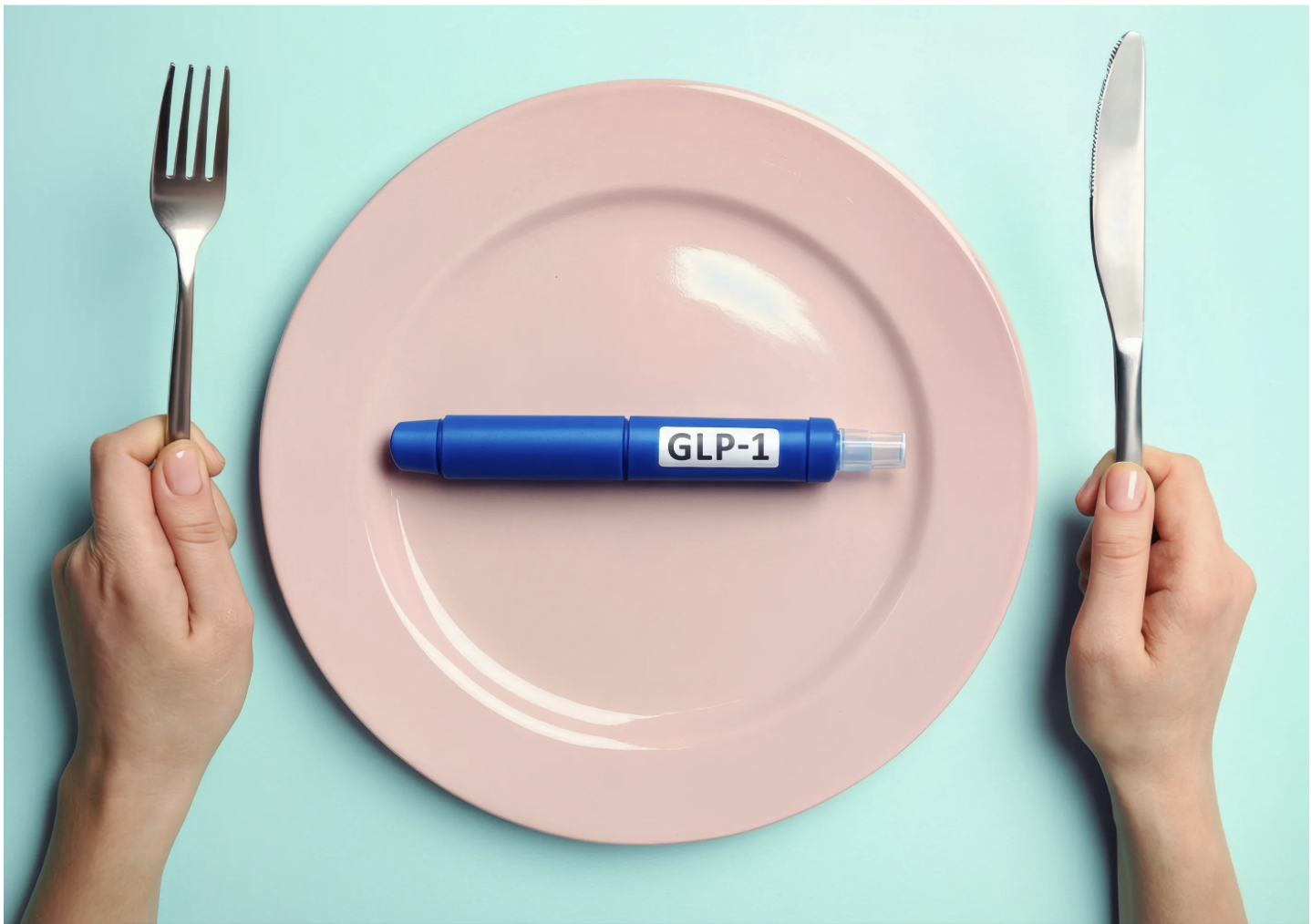
If you're currently taking a GLP-1 medication, or seriously considering one, this is a direct conversation to you about something that almost never comes up in the prescribing process. Not because it's obscure, not because the evidence is thin, but simply because the protocols for managing these medications have not kept pace with how widely and quickly they're being prescribed. That gap concerns me, and it's why I want to address it here.
We talk a lot about macronutrients when GLP-1s come up, and that conversation matters. Adequate protein intake to protect lean muscle mass is genuinely important, particularly for women over 50 who are already navigating the muscle and bone changes that come with perimenopause and beyond. But there is an equally important conversation that's barely happening at all: micronutrient deficiencies.
Here's the basic physiology:
GLP-1 medications work in part by slowing the emptying of your stomach, which is precisely why they reduce hunger and extend feelings of fullness. The downstream effect is that you eat less. And when you eat less, you are by definition consuming fewer vitamins and minerals, including essential ones like vitamin B12, magnesium, zinc, calcium, and vitamin D. Reduced food intake also means reduced gastric acid production, which in turn affects your body's ability to break down and absorb certain nutrients, B12 being a primary example. This is not theoretical. We have meaningful data from the bariatric surgery literature showing significant micronutrient deficiencies following procedures that produce a similar physiological effect, and emerging evidence now points to the same concern in long-term GLP-1 users.
What makes this particularly worth paying attention to is how slowly some of these deficiencies reveal themselves. Vitamin B12 depletion, for instance, can take months to years before it surfaces clinically, and by the time you feel it, fatigue, cognitive changes, peripheral nerve issues, or, in some cases, anemia, you have likely been running low for a long time. Magnesium deficiency tends to show up more quickly, often as muscle cramps, disrupted sleep, or what I'd describe as a low-grade increase in anxiety that doesn't have an obvious explanation. Hair thinning, which so many women on GLP-1s report, is frequently attributed to rapid weight loss, but inadequate zinc and protein intake are important contributors that deserve equal attention. (More on hair loss in another issue.)

None of this is meant to alarm you or discourage you from a medication that may be genuinely helping you. GLP-1s have real and meaningful value, and I say that as someone who takes the full picture of evidence seriously. What I am saying is that these medications require monitoring, follow-up, and attention to your nutritional status that goes well beyond what most people are currently receiving. Ask your provider about baseline and follow-up bloodwork that includes B12, Iron, Folate, Vitamin D3, and magnesium. Think about whether a prenatal vitamin, ANY prenatal vitamin, which tends to contain slightly higher amounts of key micronutrients than a standard multivitamin, might be appropriate for you, regardless of whether you're pregnant or even female. And recognize that a multivitamin alone may not be sufficient if a true deficiency is already developing.
The most important thing I can offer you here is not a supplement protocol but a framework: these medications affect your whole body, and caring for yourself on them means thinking in terms of total body health, not just the number on the scale. You deserve providers who are having this conversation with you, and if they aren't yet, I hope this gives you the language to start it yourself.
I just launched a new deep dive video on micronutrients and GLP-1s on YouTube. If you’re taking a GLP-1, it’s worth a watch.