Nutrition Advice
Mediterranean Diet: More Marketing Than Medicine?
The Mediterranean diet remains one of the most well-researched eating patterns for heart health, longevity, and healthy aging. While the evidence is compelling, its benefits extend beyond individual foods and include lifestyle, environment, and social habits—making it important to understand both what the science supports and where its limitations lie.
What We Know (and Don't) About the Mediterranean Diet
Every few months, a new diet ranking lands, and the Mediterranean diet sits at or near the top almost every time. I'm not going to argue with that. The PREDIMED trial followed over 7,400 people for nearly five years and found roughly a 30 percent reduction in major cardiovascular events, with no calorie counting required. A meta-analysis pooling data from more than 722,000 women found 24 percent lower cardiovascular disease incidence and 23 percent lower total mortality in the highest adherence group. The cognitive numbers are just as striking: an 18 percent reduction in cognitive impairment, and a 30 percent reduction in Alzheimer's risk, across pooled prospective studies. This is some of the most extensive evidence we have for any dietary pattern. But I want to be honest with you about what that evidence actually means, because the way these rankings get reported does you a disservice.
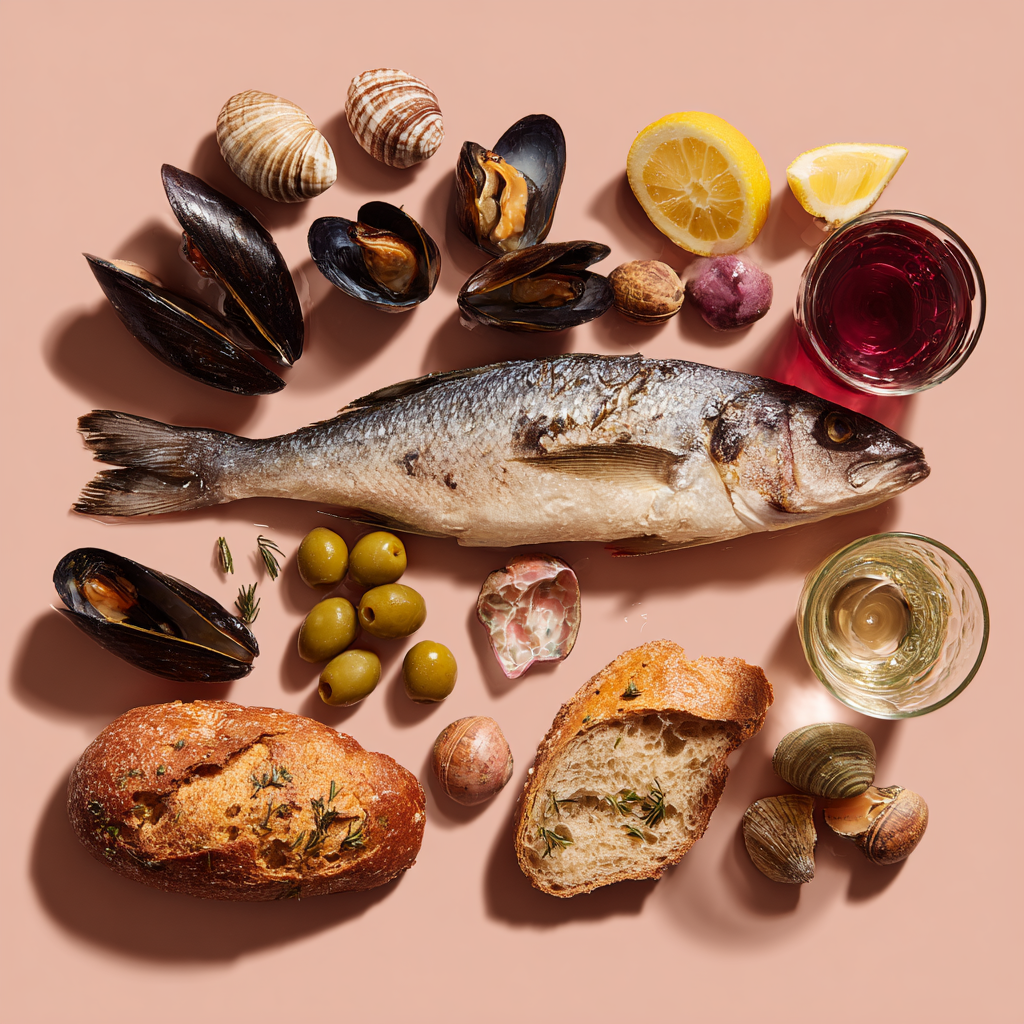
Here's the problem nobody puts in the headline: we cannot cleanly separate the food from the person eating it. PREDIMED was conducted in Spain, in people already living a Mediterranean lifestyle, with Mediterranean genetics, Mediterranean food matrices, and decades of epigenetic exposure we can't replicate in a lab. When researchers try to extract "olive oil" or "fish three times a week" as if those are interchangeable inputs you can drop into any life, they're stripping out everything else that travels with that diet: more walking, denser social ties, different sleep patterns, a food supply that hasn't been engineered for shelf life. As per the American Heart Association, “ there is the potential for oversimplification and misinterpretation of the defining features. With the Mediterranean pattern, some patients may focus solely on olive oil consumption, increasing total calorie intake and missing out on many of the other important features of the diet.”
The American Heart Association rates the evidence for the Mediterranean diet's effect on LDL cholesterol, HDL, and triglycerides as low, and blood pressure reductions in trials have been modest, six to seven points systolic at best. Several intervention trials outside Mediterranean countries have shown smaller or inconsistent benefits, and researchers increasingly suspect that carbohydrate quality and degree of weight loss may matter more than the pattern itself. That's not a reason to dismiss the diet. It's a reason to be skeptical of anyone who tells you a list of foods alone is the whole mechanism.
Relevance For Women Over 50
In PREDIMED, women aged 60 to 80 who followed the Mediterranean diet supplemented with extra-virgin olive oil saw a 62 percent relative reduction in invasive breast cancer, with each additional 5 percent of calories from olive oil tied to a 28 percent lower hazard. Other data show women in the highest tier of Mediterranean diet adherence reporting 80 percent lower odds of severe hot flashes and 83 percent lower odds of severe sexual symptoms compared to women in the lowest tier. Those numbers are genuinely compelling. They're also observational, which means they show association, not proof of cause. We don't yet have the large randomized trials in menopausal women that would let me tell you with certainty that the diet itself, rather than something correlated with who eats this way, is driving those results. I'd rather tell you that plainly than oversell it.
The Nutrition Factor
This matters even more once you factor in our food supply. A tomato in Crete and a tomato shipped to a Texas grocery store in February are not nutritionally equivalent, even if the label says "tomato." Produce loses nutrient density the longer it sits between harvest and your plate. Affordability compounds this: extra-virgin olive oil, wild fish, fresh produce- these aren't cheap, and "eat Mediterranean" is a very different ask depending on your zip code and your grocery budget. I don't think it's fair to hand you a diet built in one food system and expect identical results from a different one, without saying so out loud.
Does Organic Matter?
For pesticide exposure, the evidence leans toward yes, modestly. For nutrient content, the differences are small and inconsistent across studies. If organic fits your budget, it's a reasonable choice. If it doesn't, conventional produce still beats no produce, and I will not let perfect be the enemy of good in your kitchen.
Now, the controversial stuff. Beef tallow and raw milk have become culture-war shorthand for "real food," and I understand the instinct, since processed seed oils and ultra-pasteurized everything don't feel like progress. But here's what I won't do: pretend there's good methodology behind either as a wellness upgrade. We don't have quality human trials on beef tallow's health effects, and raw milk carries documented infection risk without offsetting evidence of superior nutrition. Strong opinions on both sides, thin data underneath. That gap is worth naming. I avoid both, personally.

So where does this leave you? Not as someone on the receiving end of a diet ranking, scrolling through a list wondering if you're doing it right. You're the one whose genetics, food access, budget, and history actually determine whether any of this works, and that's worth remembering every time a headline tells you what "the science says." The Mediterranean pattern is, genuinely, one of the best-supported frameworks we have. But it's not a guarantee, it's not magic, and it sure wasn't built with your grocery store in mind. So take the principles that make sense for your life, and don't feel guilty about the parts that don't translate. That's not settling. Honestly, that's just what good medicine has always looked like, taking something real and making it fit the person in front of you.