Articles
Explore expert insights on wellness, fitness, and nutrition. Stay informed with tips and advice designed to help you live healthier every day.

What's Actually in Your Bed
Most conversations about sleep focus on supplements, blue light, or bedtime routines. But some of the biggest factors affecting your sleep may already be sharing your bed—or your bedroom. From snoring partners to pets and room temperature, here's what the research says about creating a sleep environment that truly supports restorative rest.

Why You Shouldn't Be Wondering What Your Cortisol Level Is
"Cortisol face." "Cortisol belly." Wellness trends have turned cortisol into the hormone everyone loves to blame. But cortisol isn't your enemy—it's an essential part of how your body functions. Here's what cortisol actually does, when testing is medically appropriate, and why chasing a single cortisol number is rarely helpful.
Taking a Holiday From Osteoporosis Medication: What Do the Guidelines Actually Recommend?
If you've been taking a bisphosphonate for osteoporosis for several years, your doctor may have mentioned a "drug holiday." While pausing treatment is a guideline-supported strategy for some women, it's not the right choice for everyone. Here's what the latest evidence says about when a drug holiday makes sense, the benefits of continuing treatment, and the important conversations to have with your doctor.
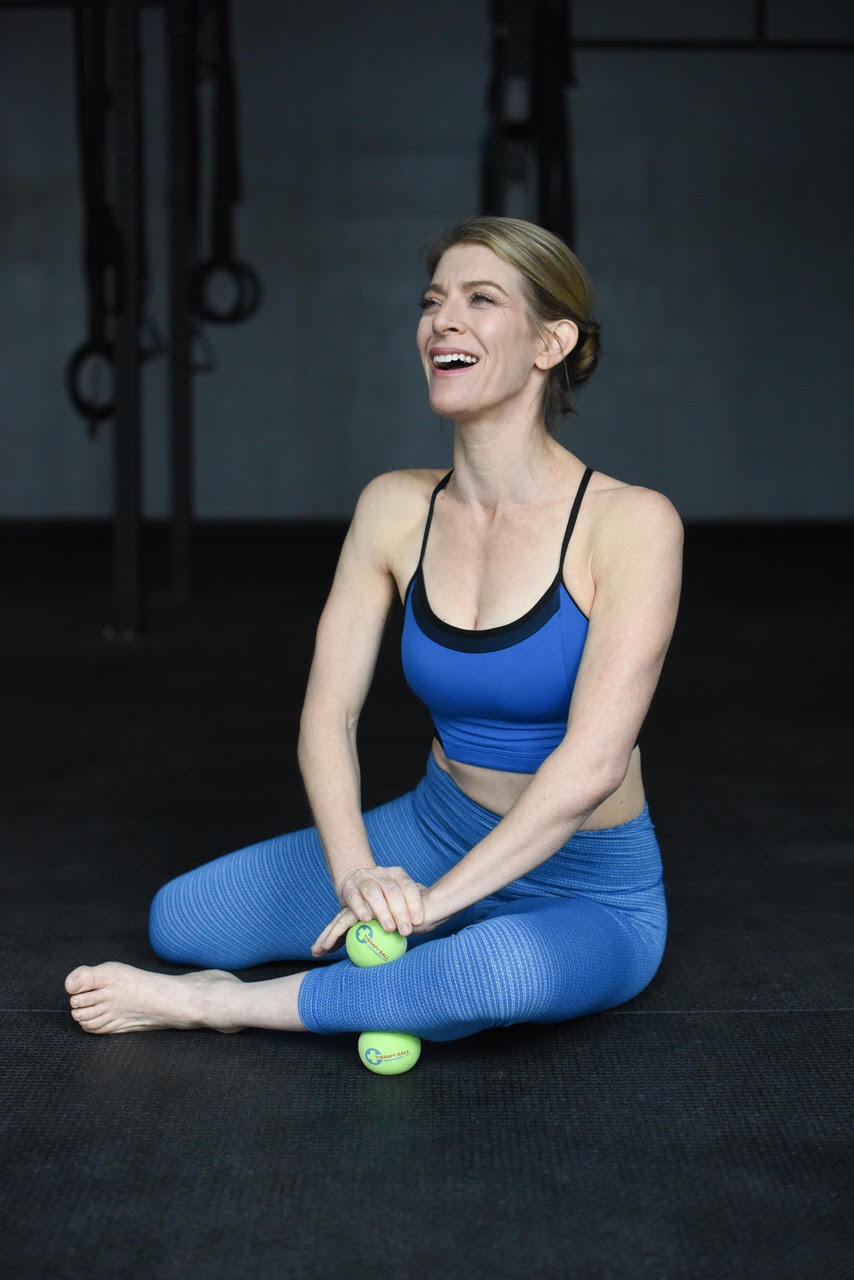
Fascia and Self - Myofascial Release 101
Fascia is one of the body's most overlooked tissues, yet it influences how we move, recover, and feel every day. Learn why self-myofascial release (SMFR) is gaining scientific attention and how just a few minutes of gentle rolling can improve mobility, reduce soreness, and support healthy aging—especially for women over 50.
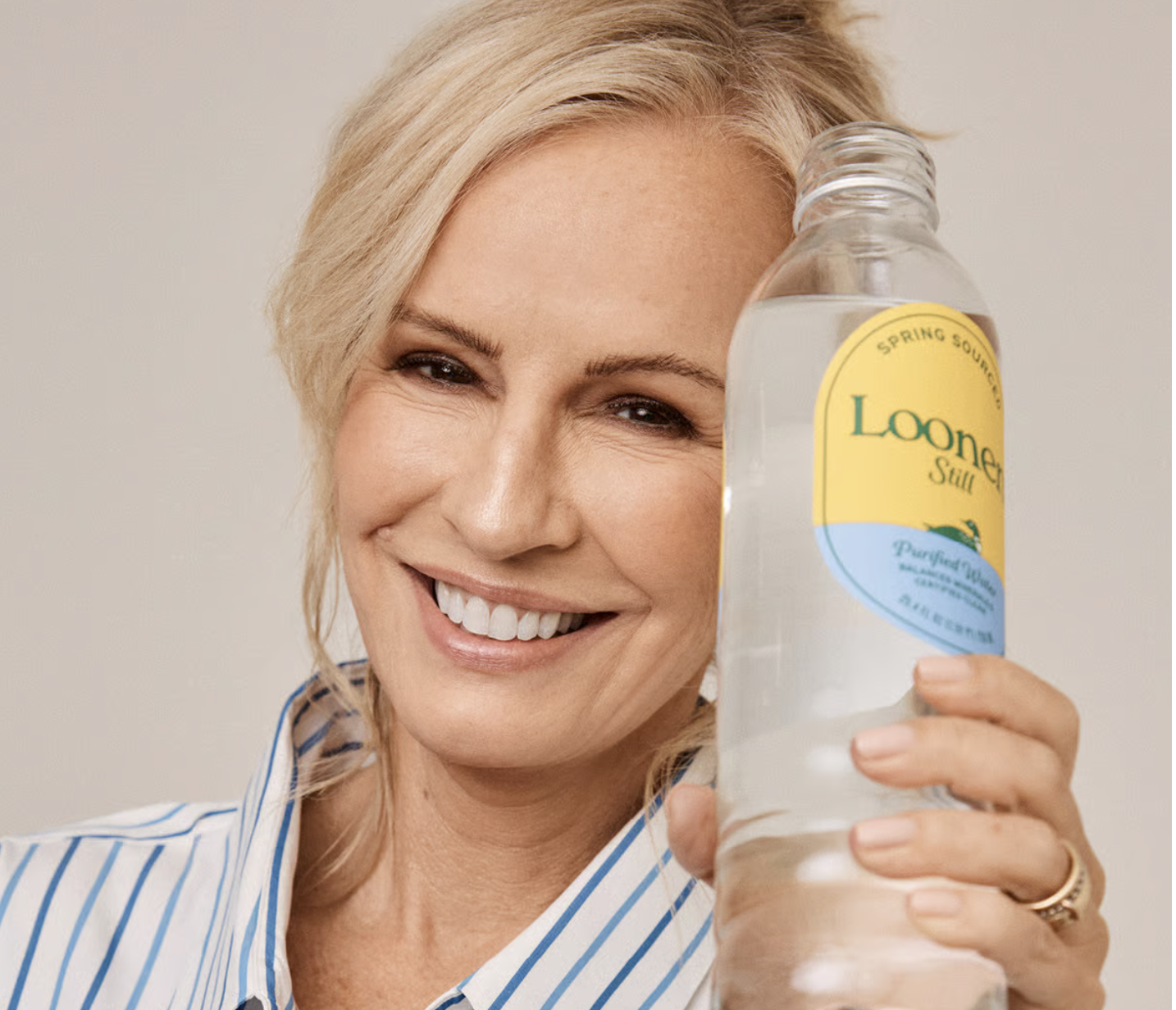
The Water I drink Day in and Day Out
We drink more water than anything else, yet few of us know what's actually in it. Here's why Dr. Jen chose Loonen, what makes it different from most bottled waters, and why hydration is about more than simply drinking enough—it's also about the quality of the water you consume.
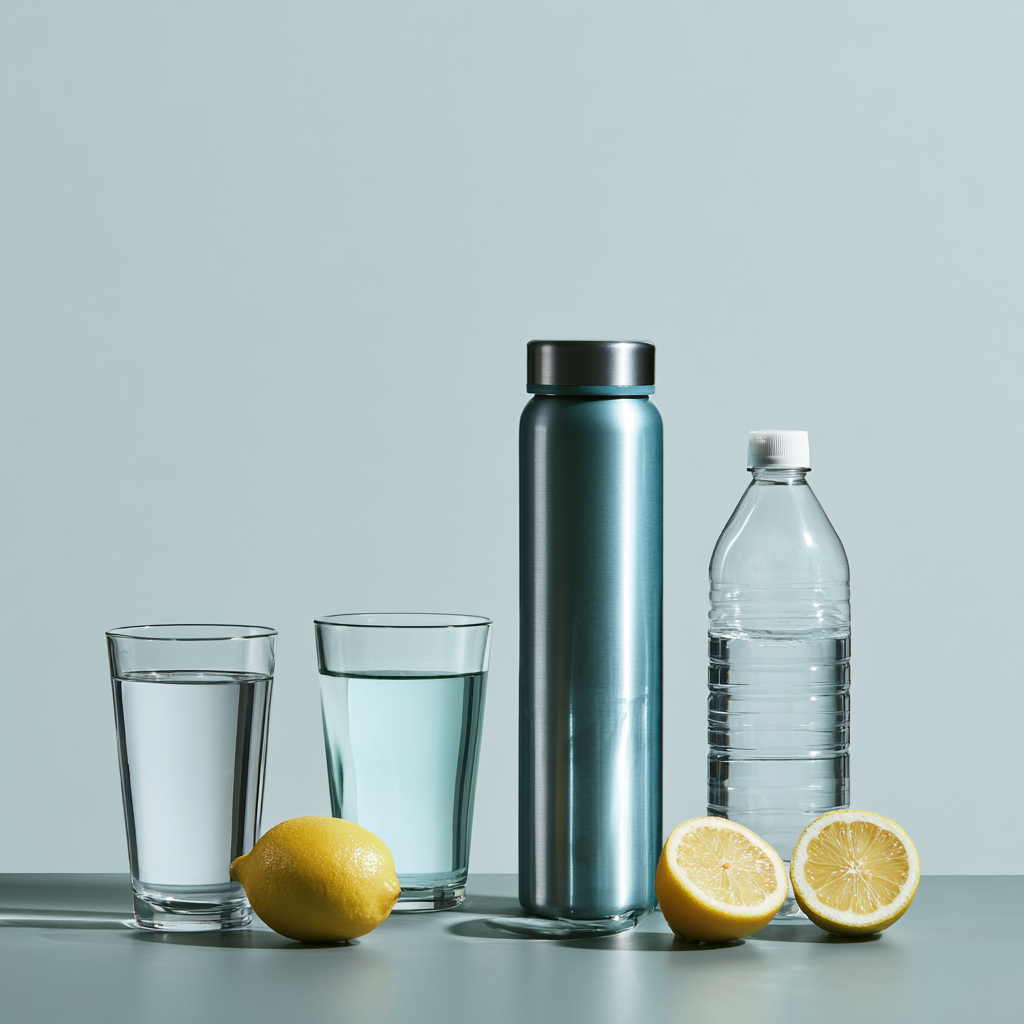
How to Really Tell If You’re Dehydrated and How to Prevent It.
Feeling thirsty isn't the best way to know when you need water—especially after 50. As we age, our thirst response becomes less reliable, making dehydration easier to miss. Learn the signs that matter, when electrolytes are actually helpful, and simple habits to stay properly hydrated every day.

Why Golf Is Good for Your Mind, Body, and Spirit
Golf has long been viewed as a man's game, but that's changing fast. More women than ever are picking up clubs—and for good reason. Beyond the social connection, golf offers meaningful physical activity, mental focus, stress relief, and time outdoors, making it a surprisingly powerful wellness habit for women in midlife and beyond.
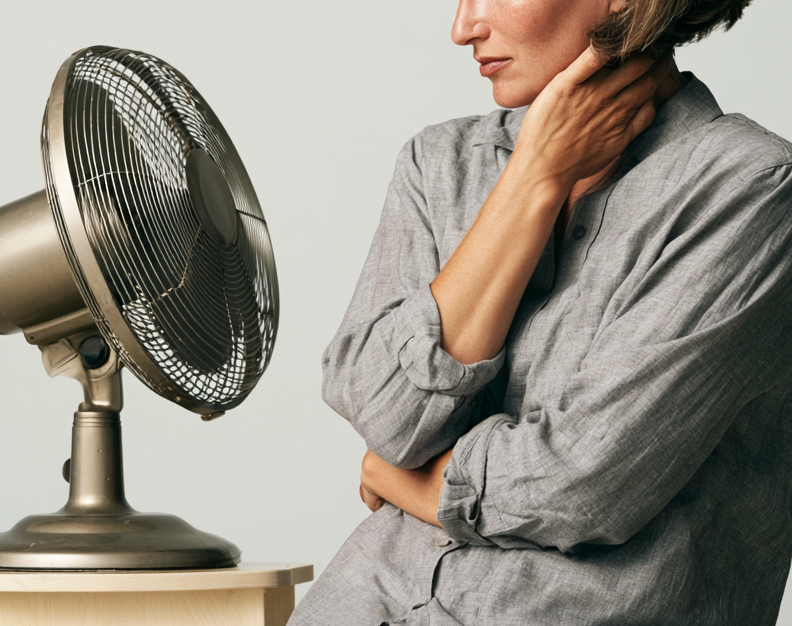
Menopause and Brain Health: What the New Data Actually Shows, and What to Do About It Today
Brain fog, forgetfulness, and difficulty concentrating are common concerns during perimenopause and menopause—but they aren't simply a normal part of aging. Emerging research shows that this hormonal transition is a critical opportunity to support long-term brain health through lifestyle changes, symptom management, and, for some women, personalized hormone therapy.
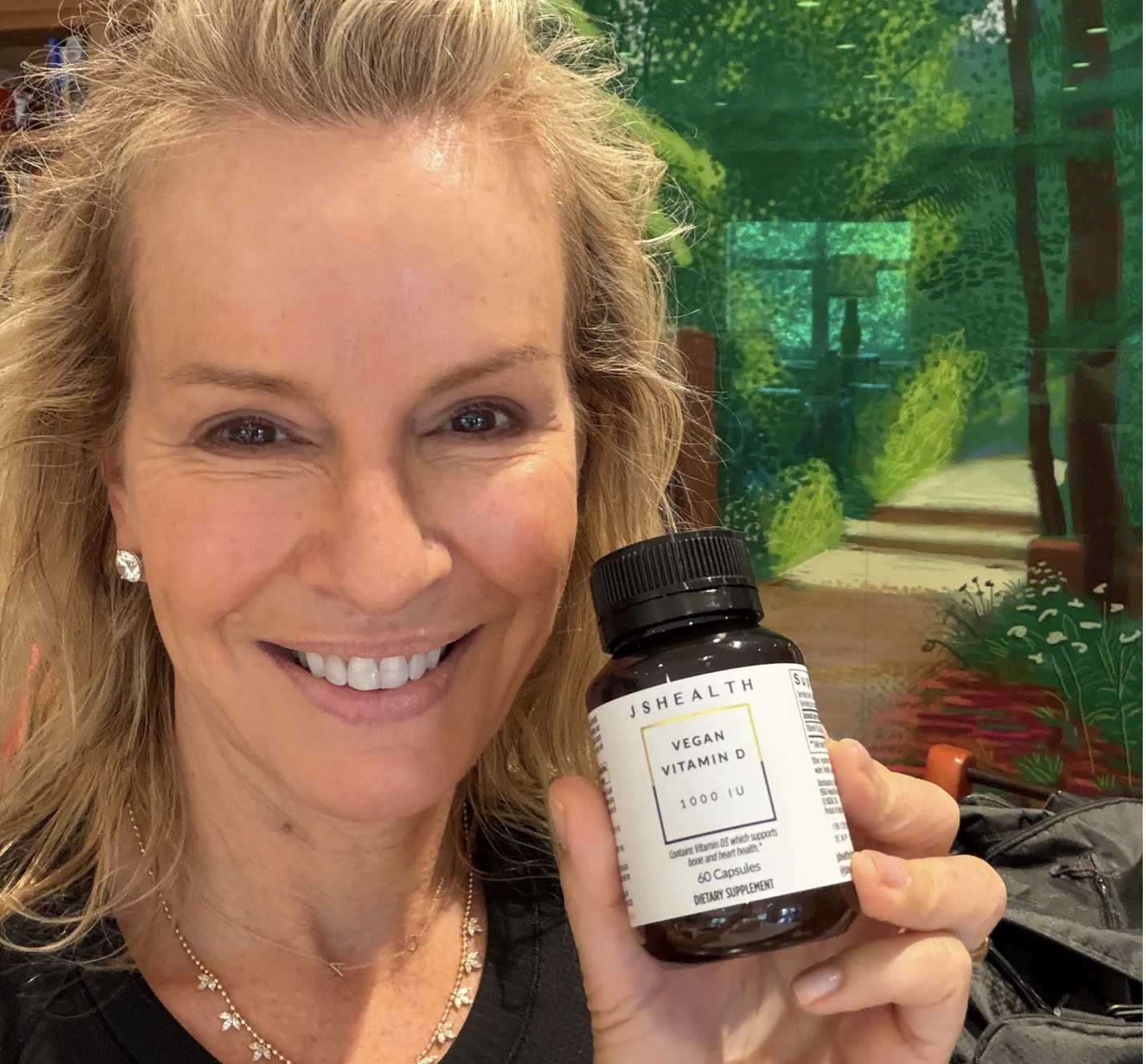
The Vitamin D Conversation We're Not Having
Vitamin D is best known for supporting bone and immune health, but emerging research suggests its greatest benefit for women over 50 may lie in metabolic health. For women who are deficient, prediabetic, or carrying excess abdominal weight, correcting low vitamin D levels may improve insulin sensitivity and blood sugar regulation.
No results found.
